Get Concrete Ramp Installation
Concrete ramp installation services help property owners create safe, accessible entryways for wheelchair users, elderly individuals, or those with mobility challenges, suitable for various residential or commercial projects.
Concrete ramp installation can be an essential upgrade for property owners seeking improved accessibility and safety. Whether planning a new construction project or enhancing existing structures, having reliable local contractors to handle the work ensures the project meets practical needs. Exploring options in your area allows property owners to compare different service providers and find solutions tailored to their specific requirements, making it easier to plan and execute these improvements effectively.
By considering local contractors who specialize in concrete ramp installation, property owners can access experienced professionals familiar with regional conditions and building standards. This helps ensure the installation is durable and functional, providing long-term value. Continuing to explore available options can assist in making informed decisions that support accessibility goals and property enhancements.
- Residential Driveways - homeowners may need concrete ramps installed for garage access or property entry.
- Commercial Entrances - businesses might require durable concrete ramps to ensure accessible entry for customers and employees.
- Loading Docks - warehouses and retail stores often need concrete ramps to facilitate smooth loading and unloading processes.
- Public Accessibility Projects - municipalities or organizations may seek concrete ramps to improve accessibility in public spaces.
- Industrial Facilities - factories and manufacturing plants may need concrete ramps for equipment movement or personnel access.
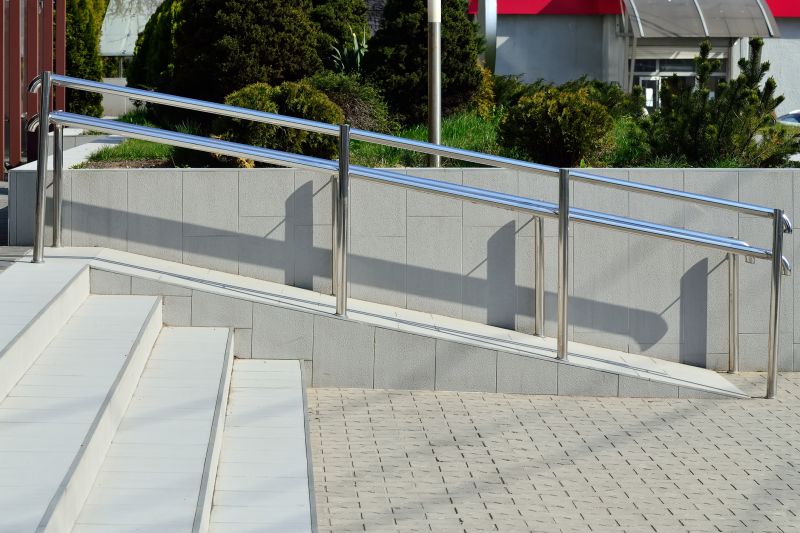
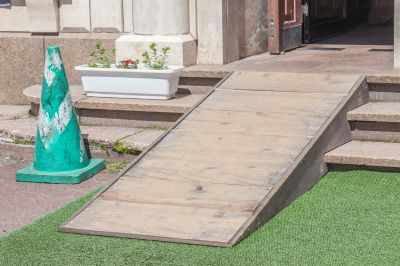
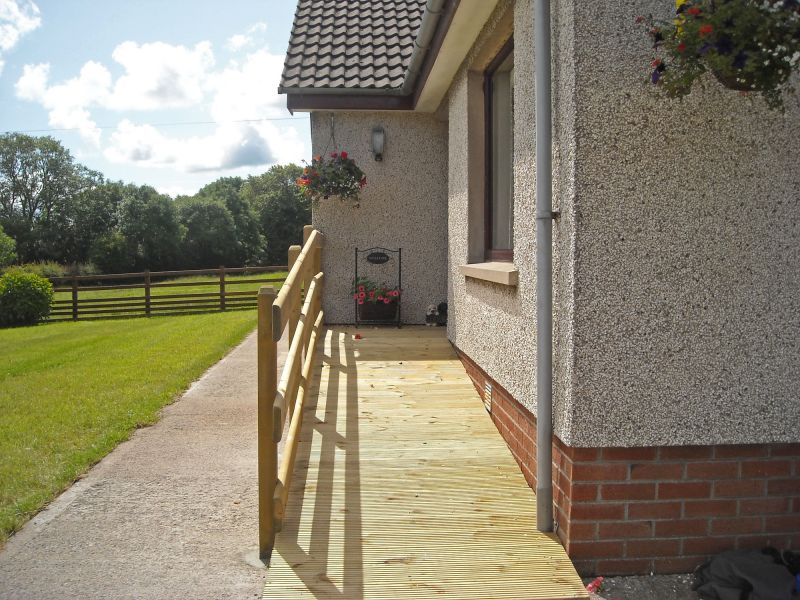
Concrete ramp installation services involve the construction of sturdy, durable ramps made from concrete to provide smooth, accessible pathways between different levels or areas of a property. This service typically includes site assessment, precise measurement, excavation, formwork setup, pouring and finishing of the concrete, and proper curing to ensure a long-lasting result. Experienced contractors focus on creating ramps that are level, slip-resistant, and compliant with accessibility standards, making them suitable for various needs and property types.
Installing a concrete ramp can help solve common accessibility challenges faced by homeowners, tenants, or visitors with mobility issues. It eliminates the need for stairs, reducing the risk of trips and falls, and provides easier access for wheelchairs, walkers, strollers, or other mobility aids. Additionally, a well-constructed ramp can improve the functionality of a property by making entrances more accessible, especially during inclement weather when stairs might become slippery or hazardous.
Concrete ramps are frequently used on residential properties, including single-family homes, to provide wheelchair access or facilitate moving heavy items in and out. They are also common on commercial properties, such as storefronts, apartment complexes, and community centers, where accessibility compliance is required or desired. In some cases, property owners may choose concrete ramps to enhance safety and convenience for all visitors, regardless of mobility levels, ensuring the property remains welcoming and compliant with accessibility standards.
Property owners considering a concrete ramp should evaluate their specific needs and the property’s layout to determine the best design and placement. Whether for a front entrance, backyard, garage, or commercial entryway, local contractors can assess the site and recommend solutions that improve safety, accessibility, and functionality. Connecting with experienced service providers can help ensure the installation is done correctly, providing a reliable and long-lasting addition to any property.
The overview below groups typical Concrete Ramp Installation projects into broad ranges so you can see how smaller, mid-sized, and larger jobs often compare in your area.
In many markets, a large share of routine jobs stays in the lower and middle ranges, while only a smaller percentage of projects moves into the highest bands when the work is more complex or site conditions are harder than average.
Smaller Repairs - minor concrete ramp repairs typically cost between $250 and $600 for many routine jobs. These projects usually involve patching or resurfacing existing ramps and are common in residential settings.
Standard Installations - installing a new concrete ramp can range from $1,000 to $3,000 depending on size, complexity, and location. Many local contractors handle projects within this range for most standard applications.
Full Replacement - replacing an existing concrete ramp with a new one generally costs between $3,500 and $7,000. Larger or more complex projects, such as those requiring permits or custom features, can reach higher costs.
Complex or Custom Projects - highly customized or large-scale concrete ramp installations may exceed $7,000 and can go beyond $10,000 for extensive or intricate designs. These projects are less common but handled by specialists for specific needs.
Actual totals will depend on details like access to the work area, the scope of the project, and the materials selected, so use these as general starting points rather than exact figures.
Sidewalk and Pathway Construction - local contractors skilled in concrete work can design and install durable sidewalks and pathways similar to ramps, requiring precise planning and finishing techniques.
Garage Floor Pouring - experts who handle concrete ramp installation often have experience with garage slab pours, involving site preparation, leveling, and finishing skills.
Loading Dock Concrete Work - building loading docks involves creating sturdy, level surfaces with proper slope and reinforcement, comparable to ramp construction processes.
Driveway Paving and Resurfacing - driveway projects require concrete pouring and finishing skills that are applicable to creating smooth, accessible ramps.
Outdoor Staircase Construction - constructing concrete stairs involves similar planning, formwork, and finishing techniques used in ramp installation projects.
Concrete Retaining Wall Installation - installing retaining walls requires expertise in concrete formwork and reinforcement, skills also used in ramp and pathway projects.
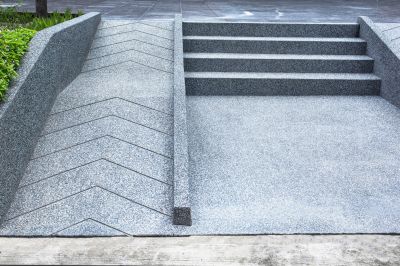
When comparing local contractors for concrete ramp installation, it’s important to consider their experience with projects similar to yours. Homeowners should inquire about the types of ramps these service providers have built in the past, ensuring they have a track record of handling projects with comparable scope and complexity. A contractor with relevant experience is more likely to understand the specific requirements of your space, materials, and design preferences, leading to a smoother installation process and a finished product that meets expectations.
Clear, written expectations are essential to avoid misunderstandings and ensure everyone is aligned on the project scope. Homeowners should seek detailed estimates that outline the work to be done, materials to be used, and any other relevant details. Having these expectations documented helps in comparing different service providers objectively and provides a reference point throughout the project. It’s also beneficial to ask how the contractor communicates progress and handles questions or changes, as good communication can significantly impact the overall experience.
Reputable references and a history of quality work serve as indicators of a reliable service provider. Homeowners can ask for references from previous clients who had similar projects completed, allowing them to gain insights into the contractor’s professionalism, craftsmanship, and reliability. Additionally, establishing good communication with potential contractors is vital; prompt responses and clear explanations can help build trust and ensure that the project moves forward smoothly. It’s important to remember that this site introduces homeowners to local pros who can handle the work, rather than performing the installation itself, so taking the time to evaluate these factors can help identify the best fit for the project.
Property owners use Concrete Ramp Installation services for practical projects around their homes and businesses. This guide focuses on everyday jobs and straightforward project options.
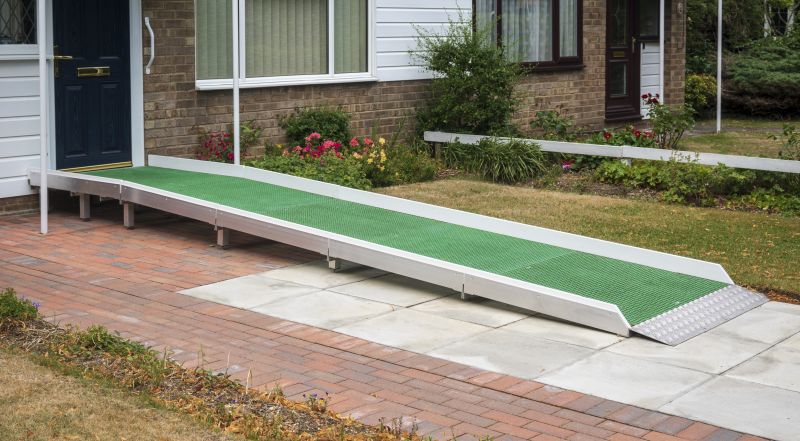
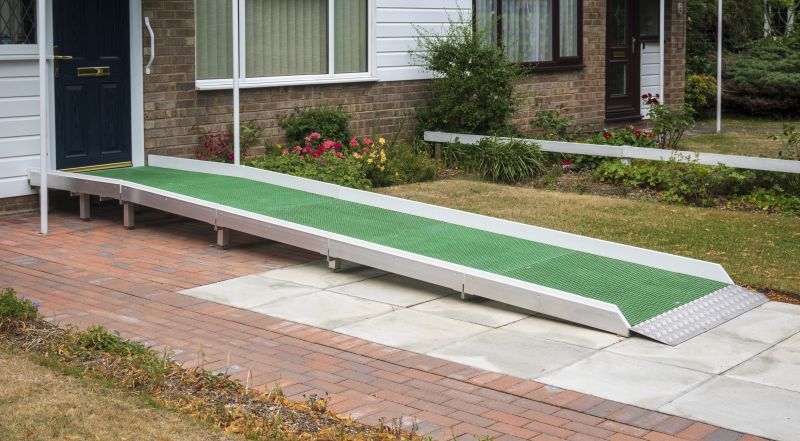
Concrete ramp installation is a common project for property owners seeking accessible and durable solutions around their homes or businesses. Whether upgrading an existing entryway to meet mobility needs or creating a smooth surface for equipment and deliveries, many individuals look for local contractors who can handle these straightforward, practical improvements. These projects often arise from everyday situations such as installing a ramp for a family member with mobility challenges or ensuring a wheelchair-accessible entrance is safe and reliable.
Local service providers are experienced in managing these types of installations, which can range from simple slope adjustments to more complex ramp structures. Property owners might seek out these services to enhance safety, improve accessibility, or comply with regulations. Connecting with nearby contractors ensures the work is done efficiently and to local standards, making it easier to find a solution that fits the specific needs of the property.
What are concrete ramps typically used for? Concrete ramps are commonly used to provide accessible pathways for wheelchairs, scooters, or strollers, as well as for vehicle access to garages or loading areas.
What factors should be considered when planning a concrete ramp installation? Important factors include the ramp's slope, length, width, and the surrounding landscape to ensure safety and compliance with accessibility standards.
Can concrete ramps be customized to fit specific property needs? Yes, local contractors can customize concrete ramps to match the dimensions and design requirements of different properties and usage needs.
What preparation is needed before installing a concrete ramp? Preparation typically involves assessing the site, clearing the area, and ensuring a stable foundation to support the new concrete structure.
Are there different types of concrete ramps available? Yes, options include straight, curved, and modular ramps, allowing for flexibility based on property layout and accessibility requirements.
Accessible Entryways - Installing a concrete ramp can create a smooth, stable entrance for wheelchairs or mobility scooters. Local contractors can help ensure the ramp meets practical needs for everyday accessibility.
Loading Zone Improvements - A concrete ramp can make it easier to move heavy items into garages or storage areas. Service providers can assist with designing and installing ramps suited for loading and unloading tasks.
Property Accessibility Upgrades - Adding a ramp can enhance safety and convenience for elderly family members or visitors with limited mobility. Local pros can customize solutions to fit specific property layouts.
Garage or Basement Access - Concrete ramps can facilitate easier entry into garages or basements, especially when dealing with uneven ground or steps. Contractors can help create durable, practical solutions for everyday use.
If you are thinking about Concrete Ramp Installation for a property, this guide is meant to help you understand the work, the typical project types, and how different options might fit your plans.
When you are ready, you can use the quote form on this page to share a few details about your project. From there, local pros can review the basics and respond with options that match what you have in mind.